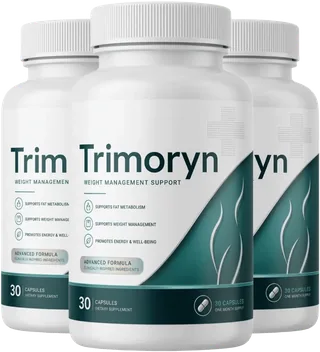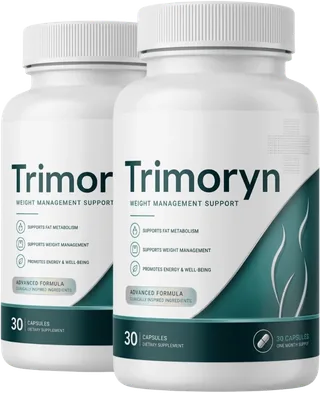
Trimoryn Capsules and a multivitamin overlap in one place that is easy to check: riboflavin, also called vitamin B2. The capsule lists 25 mg of it on the panel as printed in the brand's August 2026 press release, and most multivitamin labels print their own B2 figure. This post shows how to add the two up from the labels, using NIH numbers, and says what to bring to a pharmacist. It makes no claim about what any of it does for you.
Do Trimoryn Capsules and a multivitamin share any ingredients?
Yes, at least riboflavin, and possibly others, depending on the multivitamin. Trimoryn Capsules list riboflavin (as vitamin B2) at 25 mg, the only vitamin on the panel as printed in the release.
We do not know which multivitamin you use, so we cannot compare the rest. The other ten entries on the capsule panel are plant ingredients, other compounds and two probiotic species, and some products sold as multivitamins add a few of those too. Read both labels side by side. Our ingredients page has the full capsule list with amounts, and the panel is from the release, so check it against the bottle you receive; we have not seen a photo of the real one.
How much riboflavin do adults need, and how much can the body absorb?
The NIH Office of Dietary Supplements says adult women need 1.1 mg of riboflavin a day and men need 1.3 mg.1 It adds that the body can't absorb more than about 27 mg at one time, and that riboflavin has not been shown to cause harm.1
The same fact sheet says riboflavin is not known to interact with medicines, but it still advises telling your providers what you take. By that reckoning, 25 mg in one capsule sits just under the roughly 27 mg ceiling for a single sitting, and a multivitamin taken at the same time would add to it. We are describing the numbers only. The sheet does not say the ceiling is a target.
How do you add up the vitamin B2 from two labels?
Add the milligrams of riboflavin on each product's label for the day, then compare the total with the reference figures. FDA's current Daily Value for riboflavin is 1.3 mg, which is the figure the percentage column is built on.2
Take a made-up example. A multivitamin showing 1.7 mg of riboflavin plus one capsule at 25 mg gives 26.7 mg for the day. That is our arithmetic on invented numbers, not a statement about any real product. Use your own label. If the multivitamin shows only a percentage, multiply it by 1.3 mg to get milligrams; 100% is 1.3 mg.
| Source | Riboflavin | How to read it |
|---|---|---|
| Trimoryn Capsules, 1 capsule | 25 mg (the release also prints a %DV) | Panel from the release; check your bottle |
| Your multivitamin | Read the label | Milligrams, or percentage times 1.3 mg |
| Day total | Add the two | Compare with 1.1 mg, 1.3 mg and about 27 mg at one time |
The riboflavin page has a calculator that does this sum for you; we link to it rather than repeat it here. See our riboflavin page.
What should you tell your pharmacist?
Tell your pharmacist or doctor about the multivitamin and the capsule together, with the day's B2 total and the full ingredient list. NCCIH advises telling all your providers about every supplement you take, and says "natural" does not mean safe.3
Useful items to bring:
- The Supplement Facts panel of your multivitamin, and the capsule's list from the release.
- Your riboflavin total from the steps above.
- Your prescription and over-the-counter medicines.
- Any condition that matters to your clinician, such as pregnancy or nursing; the release says the capsules are not for pregnant or nursing women or for anyone under 18.
Riboflavin is only one of eleven ingredients, so the check does not end with B2. Berberine, alpha lipoic acid, turmeric and resveratrol have their own cautions; our medications page lists them.
Why does the printed percentage on the capsule look so high?
The percentage printed for the capsule's riboflavin is far above 100, because 25 mg is many times the reference amount. A high percentage describes how far an amount sits above that reference figure, not whether the amount is good or suitable for you.
The release's printed number also appears to use an older reference amount than FDA's current 1.3 mg, so check the percentage on the bottle you receive. Our riboflavin page explains the mismatch in full, and the supplement facts page walks through the panel row by row.
What is not known about combining the two?
Several things are not stated anywhere we have read: which multivitamin you use, how the brand expects its capsule to be combined with other products, and whether the capsule's riboflavin figure on the real bottle matches the release. No study of the finished capsule is cited by the brand or the seller either.
The brand's directions are short: one capsule daily, preferably 15 to 30 minutes before a meal, and do not exceed the recommended dose. Nothing in them mentions multivitamins. When you are ready to look at the product, you can check the packs at the seller's checkout and confirm the live details there.
Questions people ask
Can I take Trimoryn Capsules and a multivitamin together?
We cannot say it is advisable for you. Both may contain riboflavin, so add up the B2 from the labels and ask your pharmacist or doctor about the combined list.
How much riboflavin is in Trimoryn Capsules?
Trimoryn Capsules list 25 mg of riboflavin per capsule on the panel as printed in the brand's release. Compare it with the bottle you receive.
Does riboflavin interact with medicines in Trimoryn Capsules users?
The NIH fact sheet says riboflavin is not known to interact with medicines. Other Trimoryn Capsules ingredients do carry cautions, so tell your pharmacist the whole list.
How do I add the B2 in Trimoryn Capsules to a multivitamin?
Add the milligrams of riboflavin from each label for the day, then compare the total with the NIH figures. A percentage alone converts at 1.3 mg per 100% DV.
Sources for this page
- NIH Office of Dietary Supplements: Riboflavin, Fact Sheet for Consumers. ods.od.nih.gov
- FDA: Daily Value on the Nutrition and Supplement Facts Labels. www.fda.gov
- NCCIH: Using Dietary Supplements Wisely. www.nccih.nih.gov
These statements have not been evaluated by the Food and Drug Administration. This product is not intended to diagnose, treat, cure, or prevent any disease. Safety: Trimoryn Capsules are a dietary supplement, not a medicine. Adults 18+ only; one capsule a day and not more, with enough water. Not for pregnant or nursing women, and anyone who takes medicine or has a medical condition should ask a physician first. The panel lists berberine, alpha lipoic acid, resveratrol, mangosteen and turmeric, which can matter with transplant drugs, diabetes medicines, blood thinners, cancer treatment and drugs processed by liver enzymes, plus live probiotics, which call for caution with a weakened immune system. Ask your doctor or pharmacist first and never stop prescribed treatment. Trimoeryn is an independently run information site about Trimoryn Capsules; the owner states it is a USA Authorized Trimoryn Retailer. It is not the maker. We may earn money when you order through links marked as sponsored. The seller sets prices, shipping and refund terms; we show them as listed when we checked, so confirm at the live checkout.